Exactly how to Find the Right Equilibrium of Independence and Assistance in Senior Living
Business Name: BeeHive Homes of Henderson
Address: 1000 Greenway Rd, Henderson, NV 89002
Phone: (702) 551-0265
BeeHive Homes of Henderson
At BeeHive Homes of Henderson, Nevada, we offer the finest assisted living and memory care experience available in a cozy, comfortable homelike setting. Each of our residents has their own spacious room with an ADA approved bathroom and shower. We prepare and serve delicious home-cooked meals three times a day every day. We maintain a small, friendly community of only 20 residents per home. We provide regular activities that our residents find fun and contribute to their health and well-being. Our staff is attentive and caring and provides assistance with daily activities to our residents in a loving and respectful manner. We would like to invite you to tour and experience our memory care & assisted living home and feel the difference.
1000 Greenway Rd, Henderson, NV 89002
Business Hours
Finding the ideal balance between self-reliance and assistance is just one of the most individual decisions a household can make. It is rarely an easy concern of whether somebody can live alone or requires more help. More frequently, it is a matter of just how much framework an individual wants, how much assistance makes life more secure, and how to protect self-respect without leaving somebody isolated or overwhelmed.
That balance looks different for every single older grownup. Someone might still drive, take care of medicines, and chef most dishes, however feel uneasy concerning being alone after a current loss. Another may be socially engaged and literally constant, yet struggle with washing, home cleaning, or bearing in mind visits. A third may show up perfectly independent externally while quietly missing meals, missing out on doses, or taking out since daily tasks have actually come to be exhausting. Senior living functions best when it reacts to those realities rather than compeling individuals into stiff categories.
Families often begin the search with a functional concern such as "What is the best assisted living near me?" or "Where can I find senior care near me that won't eliminate Mom's freedom?" Those are wise concerns. The appropriate neighborhood should not feel like a place where liberty ends. It needs to feel like a setting that removes friction, decreases danger, and provides people room to keep residing in their own way.
Independence is not the same as doing everything alone
A great deal of households correspond self-reliance with complete self-sufficiency, however that is too narrow. Real independence is about having control over options, regimens, and personal identity. It is not concerning showing that somebody can manage every task without assistance. Actually, one of the most independent people in senior living are usually the ones who accept support in the ideal places so they can remain energetic in the locations that matter most.
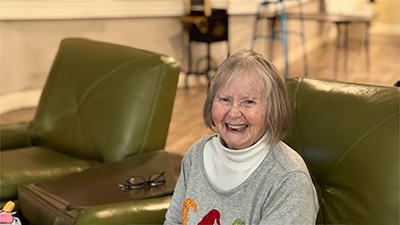
A retired instructor who no more wishes to tidy washrooms every Saturday may still be fiercely independent if she selects her meals, goes to exercise courses, checks out daily, and sees her grandchildren on her own terms. A widower that needs aid with drug pointers may still run his funds, determine when he wants to wake up, and spend his afternoons gardening. The support exists to make life much easier, not to reduce it.
That distinction matters since families occasionally wait also long to look for aid. They think that if their parent is still procuring by, any kind of action into senior living would certainly be a loss of liberty. In technique, the opposite is commonly true. The appropriate degree of senior care can restore liberty by getting rid of the low-grade stress and anxiety that eats away at day-to-day life.
The indicators that assistance is becoming necessary
The need for support generally shows up in small means before it becomes noticeable. An individual may begin ordering grocery stores much less frequently due to the fact that the store really feels tiring. They may maintain duplicating the same tale due to the fact that medicines or rest problems are affecting memory. Bills might go unpaid, or the fridge may hold ran out food and absolutely nothing else. A family member may notice bruises, a stronger odor of urine, or a new unwillingness to shower.
Not every sign means an action is essential, and not every difficulty points to assisted living. Still, patterns issue. The concern is not whether someone has a bad day. It is whether those negative days are becoming more common and much more dangerous.
A few locations are entitled to attention. Falls are one of the clearest indication, specifically if they take place more than once or if the individual starts restricting activity out of concern. Missed medicines can cause preventable healthcare facility visits. Poor nutrition might show up as weight loss, weakness, or dishes that are mostly treats. Social withdrawal can be just as serious, because solitude typically affects mood, rest, and motivation in manner ins which households underestimate.
Sometimes the hardest clue is the individual's own behavior. If they start decreasing invites, avoiding stairs, avoiding bathing, or leaving the stove ignored, the problem is no longer just ease. It is safety and quality of life. Senior living choices exist exactly for these minutes, when a little support protects against much bigger issues later.
Matching the readying to the person, not the label
Families usually begin by comparing apartment sizes, meal plans, and activity calendars. Those matter, yet they are not the entire photo. The far better question is just how a community supports autonomy in daily life.
Assisted living, for example, is not a one-size-fits-all answer. A solid assisted living neighborhood aids homeowners with bathing, clothing, transportation, drug suggestions, and dishes while still providing control over their schedule, their site visitors, and their personal routines. Good neighborhoods recognize that support should be very discreet and predictable. Residents must really feel assisted, not managed.
That is especially crucial for people that have invested a life time making their very own choices. If an area is too regimented, it can feel infantilizing. If it is too loosened, locals might not get the uniformity they require. The best fit usually beings in the middle. Dishes are readily available, but the resident can pick when to eat. Aid is nearby, yet not invasive. Activities are there, however no person is compelled to join.
Some family members looking for assisted living near me are amazed by how much variation dates one community to the next. One residential property may have a warm, home-like environment with flexible regimens. An additional may be much more organized and service-heavy. The difference can be dramatic. The right selection depends less on marketing language and more on day-to-day lived experience.
Where freedom can quietly disappear
It is very easy to concentrate on physical requirements and overlook the means independence wears down in average regimens. A senior might still be able to stroll throughout the room, yet your home itself may have become a barrier. Lengthy hallways, heavy clothes hamper, steep stairs, and hard-to-reach cupboards can transform easy tasks right into a collection of small defeats.
There is also emotional disintegration. When a person starts relying on one adult youngster for every single grocery trip, every prescription refill, and every visit, they may feel as though they have ended up being a burden. That feeling can bring about resistance, defensiveness, or even denial. Households often mistake that response for stubbornness. Often it is pain. The person knows, at some level, that the life they are used to is changing.
Senior living can ease that pressure by sharing the load. A resident does not need to ask a child ahead over after job to transform a lightbulb, or wait till a kid has time to bring lunch. The neighborhood takes in a lot of those daily tasks, which can enhance the relationship in between older grownups and their families. Visits end up being more concerning conversation and much less concerning errands.
That change is just one of the least discussed benefits of senior care. When support is built into daily life, family members typically stop seeming like unpaid situation supervisors. They can return to being sons, children, partners, and grandchildren.
Support must be versatile, not total
There is a real distinction between getting assistance and losing company. The objective is not to get rid of duty from an older adult. It is to help them keep the parts of life they can and want to take care of, while minimizing the worry of tasks that have actually ended up being difficult or risky.
This is where experienced senior care companies make their maintain. They do not simply fill in spaces. They observe just how an individual moves, eats, rests, socializes, and reacts to change. A great care group notices when a person starts taking longer to dress, when state of mind dips after a medicine modification, or when a resident who made use of to participate in every card game has quit coming down for lunch. Those observations aid families readjust support prior to there is a crisis.
The best areas also know that assistance needs change in time. A resident who gets in with minimal assistance might eventually need a lot more. An additional might enhance after recovery and require less. That versatility matters because senior living is not a single event. It is a changing setup, and the right community ought to have the ability to adapt without making the resident seem like a problem to be solved.
In some cases, respite care can assist family members test that balance before making a permanent step. A short remain offers everybody a possibility to see how an older adult replies to structured support, social interaction, and a more secure environment. It likewise gives caretakers a rest, which can be equally as essential. A week or more of respite care can disclose more than months of debate at the cooking area table.
Questions that reveal the best level of help
The finest choices often originate from straightforward discussions instead of sleek excursions. Households occasionally ask about features first, however the a lot more revealing inquiries have to do with how an individual really lives daily. Does somebody require reminders, or hands-on aid? Do they still appreciate dishes with others, or do they favor personal privacy? Are they much more stressed concerning loneliness, safety, or losing routine?
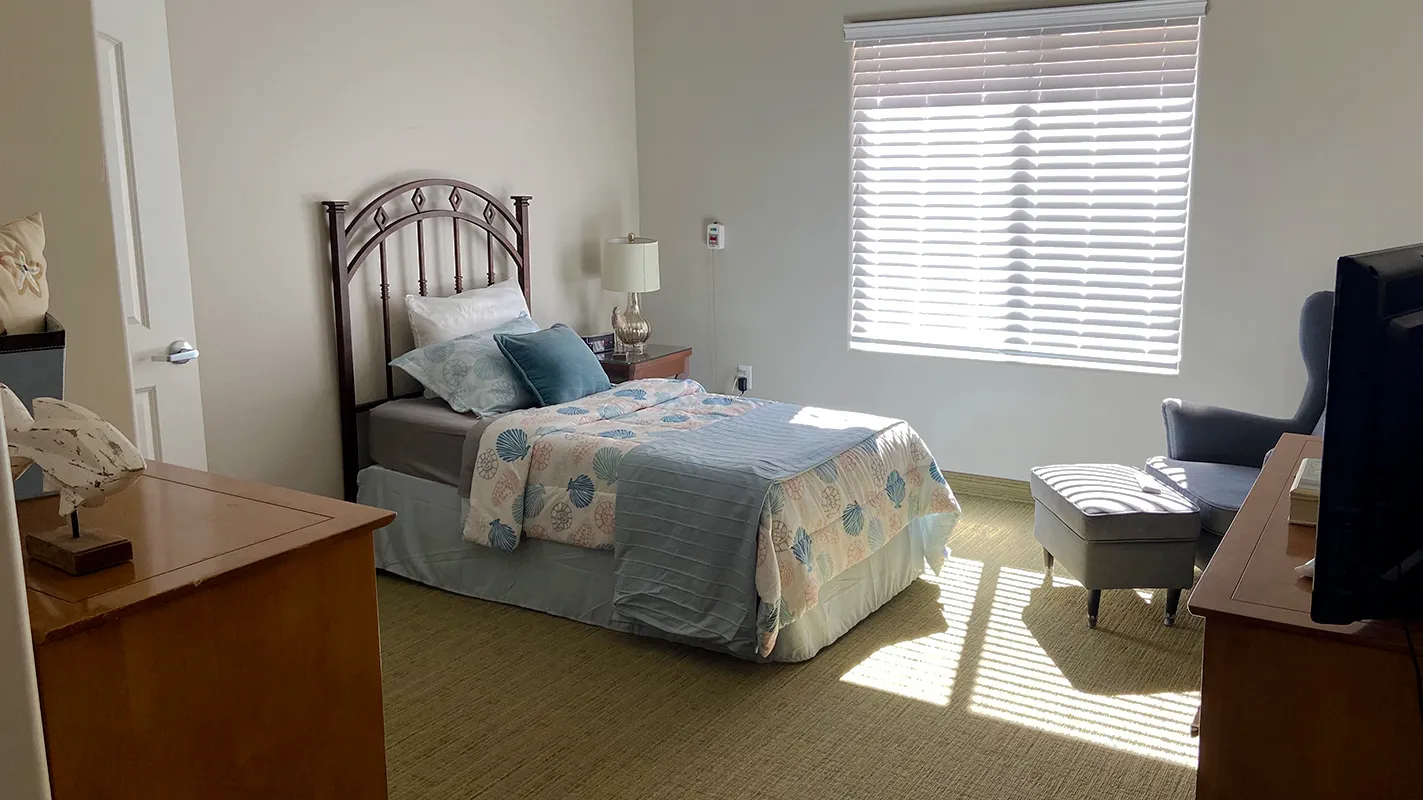
It assists to view just how a senior replies to details compromises. If they love food preparation yet are forgetting to switch off the range, a community with chef-prepared meals might lower risk without damaging quality of life. If they value peaceful mornings, they may favor a smaller setting over a busy university. If they boast of their freedom, they may want assistance that is provided quietly rather than announced in public.
Families can likewise learn a lot by taking note of psychological responses. Some older adults decline assistance because they think it suggests decline. Others invite it due to the fact that they are tired of battling. Those differences need to form the strategy. A step that feels like rescue to a single person might seem like a loss to another. The exact same degree of care can land extremely in different ways depending on how it is introduced.
A useful means to think of the decision is this: what support keeps the person safe without making life smaller than it needs to be? That question gets at the heart of senior living. It additionally advises family members that the objective is not to preserve every old routine at any cost. The goal is to maintain a significant life.
The social side of the equation
People commonly concentrate on services and neglect that companionship matters also. Seclusion changes every little thing. It can make a person less energetic, much less curious about eating, much less determined to wash, and less likely to connect when something really feels incorrect. In time, isolation can end up being a silent motorist of decline.
That is one reason many older grownups do far better in a setting where social contact is built into the day. Shared meals, informal hallway discussions, group exercise, and planned occasions can appear small, yet they develop rhythm. Even the possibility to wave to a neighbor every morning can improve a person's outlook.
Not everyone wants a full calendar, which is great. The point is not compelled socialization. It is access. A resident must have the ability to select whether to join a game night, remain on the outdoor patio, or remain in their house with a publication. The essential thing is that link is offered, not absent.
For some family members, the change ends up being obvious after a move. A parent who was withdrawn in your home might end up being extra animated when they have routine call with peers. That does not suggest every senior needs an active neighborhood to flourish. It does indicate social atmosphere is entitled to as much interest as physical care when picking senior living.
When a much more supportive setting protects independence
There are times when freedom is finest secured by accepting even more support, not less. This appears counterintuitive until you see it in real life.
Consider assisted living near me the older grownup who demands living alone after a hospitalization. If they are still weak, unpredictable on staircases, and not able to handle medications continually, living alone may really feel independent theoretically but leave them prone in technique. A well-matched assisted living community can recover confidence. Meals are given, transport is available, and team are nearby if something goes wrong. That structure can decrease stress and anxiety enough for the individual to get involved even more fully in life again.
The exact same is true after a partner passes away. Grief can knock the bottom out of regimen. Even strong, capable adults might stop cooking, neglect visits, or forget housekeeping for months. They are not unable. They are overwhelmed. Additional support during that period can keep them steady up until their ground returns.
This is likewise where families occasionally uncover the value of an organized strategy. Someone may begin with minimal solutions, then progressively add help as requirements change. Others may enter straight into assisted living because the home environment has actually already become too demanding. There is no global sequence. The ideal course depends on danger, individuality, financial resources, and just how much support the family members can realistically provide.
What a thoughtful tour must inform you
When families tour an area, it is easy to be charmed by a tidy dining room or eye-catching courtyard. Those details matter, but they do not inform the full tale. What issues more is just how staff engage with citizens when no one is posturing for a brochure.
Do employees speak with homeowners as grownups? Are requests responded to promptly, or do people seem to linger for basic help? Does the place really feel calm without sensation clean and sterile? Are homeowners moving through the day with a feeling of objective, or do they seem parked in front of a television? These are the monitorings that expose whether freedom is respected.
The physical atmosphere matters also. Hallways must be simple to browse. Seats should sustain great stance and secure transfers. Restrooms should be made with older grownups in mind. Small information like illumination, floor covering, and call systems can make the difference in between an area that looks positive and one that truly supports daily living.
If feasible, visit more than once. Go at different times of day. Lunch hour can look extremely different from midmorning. A second visit often reveals whether the first impression was actual or presented. Families seeking senior care near me or assisted living near me need to trust repetitive observations over glossy presentations.
The function of family members after the move
A great action right into senior living does not finish family involvement. It alters it. As opposed to managing every detail, family members can end up being supporters, visitors, and companions. They can aid with major choices, monitor adjustments, and protect the personal background that makes a resident feel known.
That function is important due to the fact that no team member, nevertheless competent, recognizes the individual the method family does. A daughter might identify that her mother obtains nervous before clinical visits. A grand son might notice that his grandpa is quieter after specific phone calls. A spouse may comprehend which routines are nonnegotiable and which can bend. Those details assist the care team do a much better job.
Families likewise assist shield independence by withstanding need to take control of every choice. It is tempting, particularly when a loved one is sickly, to assume control of clothing, dishes, social plans, and timetables. However the individual living there need to still make as numerous choices as possible. Also small options, like when to awaken or whether to sit indoors or outside, can protect a feeling of self.
Finding the equilibrium that lasts
The ideal balance of self-reliance and assistance is rarely irreversible. It is a moving target that transforms with health and wellness, state of mind, movement, and life events. A person might need even more help this year than last year, or much less assistance after rehab, or different type of assistance entirely. The goal is not to secure right into one response permanently. It is to maintain changing before small troubles become emergencies.
When senior living jobs well, it does something silently effective. It lets older adults keep the parts of life that still seem like their own, while handing off the components that have become also hefty. It reduces anxiety without squashing individuality. It produces sufficient framework to be safe, but sufficient freedom to feel like home.
That is the real step of a good fit. Not whether every demand is flawlessly resolved, yet whether the individual still seems like themselves in the center of change. For some households, that balance will be found in assisted living. For others, it may start with respite care, after that grow into a longer-term strategy. However it unfolds, the most effective selections are made with clear eyes, sensible judgment, and respect for the older grownup at the facility of it all.
BeeHive Homes of Henderson provides assisted living care
BeeHive Homes of Henderson provides memory care services
BeeHive Homes of Henderson provides respite care services
BeeHive Homes of Henderson supports assistance with bathing and grooming
BeeHive Homes of Henderson offers private bedrooms with private bathrooms
BeeHive Homes of Henderson provides medication monitoring and documentation
BeeHive Homes of Henderson serves dietitian-approved meals
BeeHive Homes of Henderson provides housekeeping services
BeeHive Homes of Henderson provides laundry services
BeeHive Homes of Henderson offers community dining and social engagement activities
BeeHive Homes of Henderson features life enrichment activities
BeeHive Homes of Henderson supports personal care assistance during meals and daily routines
BeeHive Homes of Henderson promotes frequent physical and mental exercise opportunities
BeeHive Homes of Henderson provides a home-like residential environment
BeeHive Homes of Henderson creates customized care plans as residents’ needs change
BeeHive Homes of Henderson assesses individual resident care needs
BeeHive Homes of Henderson accepts private pay and long-term care insurance
BeeHive Homes of Henderson assists qualified veterans with Aid and Attendance benefits
BeeHive Homes of Henderson encourages meaningful resident-to-staff relationships
BeeHive Homes of Henderson delivers compassionate, attentive senior care focused on dignity and comfort
BeeHive Homes of Henderson has a phone number of (702) 551-0265
BeeHive Homes of Henderson has an address of 1000 Greenway Rd, Henderson, NV 89002
BeeHive Homes of Henderson has a website https://beehivehomes.com/locations/henderson/
BeeHive Homes of Henderson has Google Maps listing https://maps.app.goo.gl/qpZ3TKgbxCu1MVSh8
BeeHive Homes of Henderson has Instagram page https://www.instagram.com/beehivehomeshenderson/
BeeHive Homes of Henderson has an YouTube page https://www.youtube.com/@hamiltonshives4468
BeeHive Homes of Henderson won Top Assisted Living Homes 2025
BeeHive Homes of Henderson earned Best Customer Service Award 2024
BeeHive Homes of Henderson placed 1st for Senior Living Communities 2025
People Also Ask about BeeHive Homes of Henderson
What is BeeHive Homes of Henderson Living monthly room rate?
Our base rate is $4,700 per month for assisted living and $5,700 per month for memory care plus a one-time community fee of $2,500. We do an assessment of each resident's needs prior to move-in, so each resident's rate may be higher. These prices fall into three tiers based on resident needs and range from $4,700/month to $7,300/month. However, after we do the assessment and quote a price, there are no add-ons or hidden fees
Does Medicare and Medicaid pay for a stay at Bee Hive Homes?
Medicare pays for hospital and nursing home stays, but does not pay for assisted living. Some assisted living facilities are Medicaid providers but we are not. We do accept private pay, long-term care insurance, and we can assist qualified Veterans with approval for the Aid and Attendance program
Do we have a nurse on staff?
We do have a nurse on contract who is available as a resource to our staff but our residents' needs do not require a nurse on-site. We always have trained caregivers in the home and awake around the clock
What can you tell me about the food at Bee Hive?
You have to smell it and taste it to believe it! We use dietitian-approved meals with alternates available for flexibility, and we can accommodate needs for different textures and therapeutic diets. We have found that most physicians are happy to relax diet restrictions without any negative effect on our residents
Do we allow pets?
We do allow small pets as long as the resident is able to care for them. State regulations also require that we have evidence of current immunizations for any required shots
Where is BeeHive Homes of Henderson located?
BeeHive Homes of Henderson is conveniently located at 1000 Greenway Rd, Henderson, NV 89002. You can easily find directions on Google Maps or call at (702) 551-0265 Monday through Sunday 9:00am to 5:00pm
How can I contact BeeHive Homes of Henderson?
You can contact BeeHive Homes of Henderson by phone at: (702) 551-0265, visit their website at https://beehivehomes.com/locations/henderson/ or connect on social media via Instagram or Facebook
McCullough Vista Park offers a convenient outdoor setting where families connected with Assisted living memory care senior care elderly care and respite care can enjoy fresh air and meaningful time together.